Barcoding
Barcoding is a process of using symbols, typically a series of vertical lines and spaces, to encode information about a product, item, or location. These barcodes can be scanned electronically using laser or image-based technology, enabling automated identification and tracking.
- Barcodes are essentially machine-readable symbols that represent data in a visual format.
- They consist of a pattern of black bars and white spaces, each representing a specific character or piece of information.
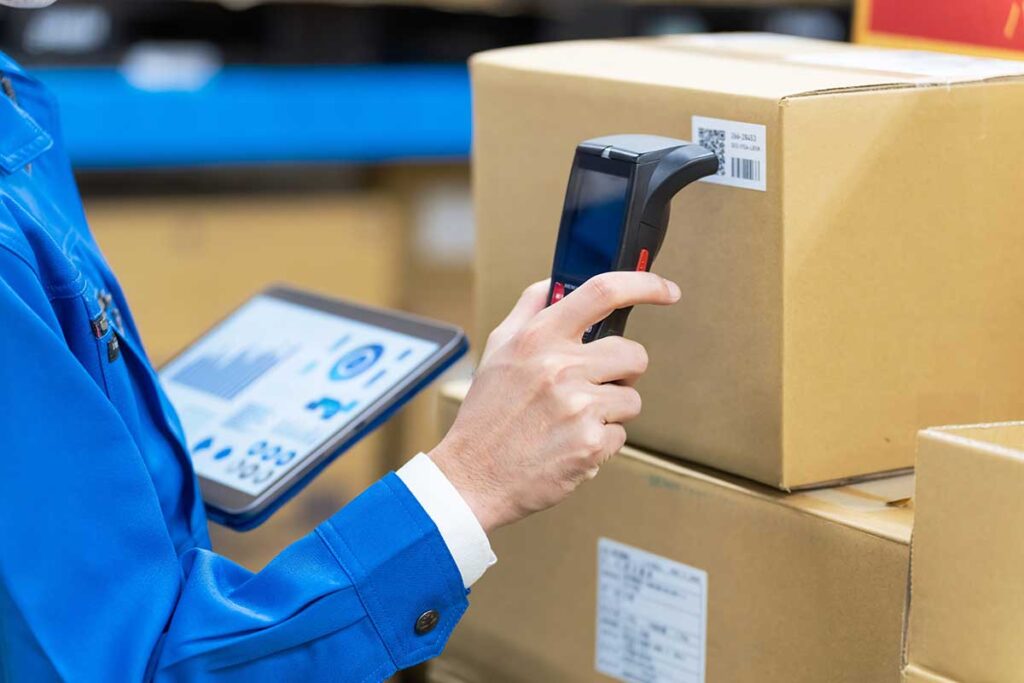
- These symbols can be scanned by devices like barcode scanners, which convert the scanned image into digital data.
- The data can then be used for various purposes, such as identifying products, tracking inventory, and automating processes.
Different Types of Barcodes
Barcodes come in various types, each designed for specific applications and data storage needs. They can be broadly categorized into two main groups: 1D (linear) and 2D barcodes.
1D Barcodes
1D barcodes, also known as linear barcodes, consist of vertical lines and spaces of varying widths. These are the most common and widely recognized types of barcodes. Some popular 1D barcode types include:
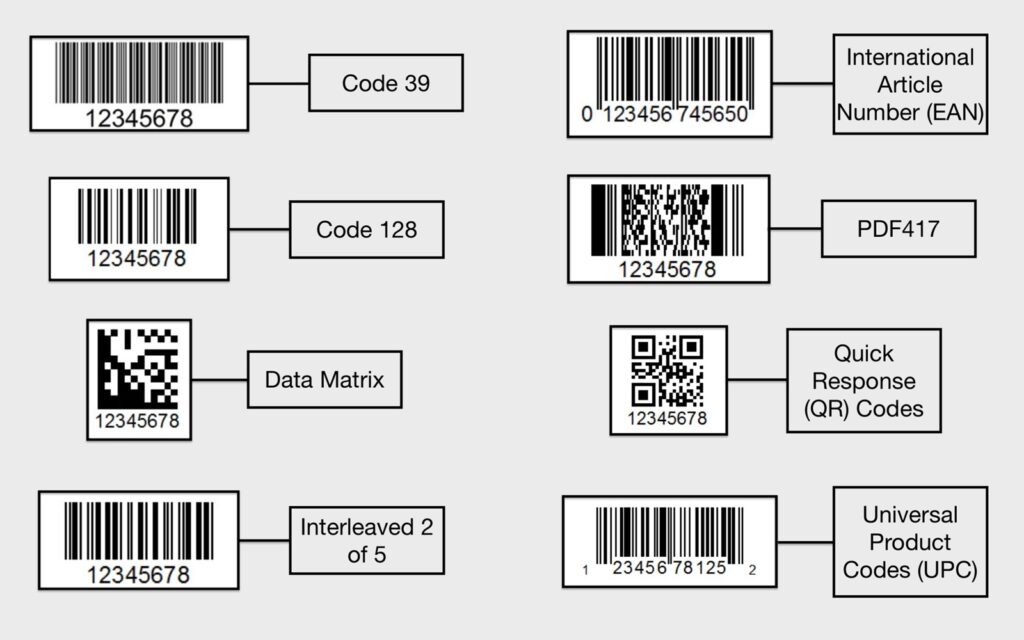
- UPC (Universal Product Code): Commonly used in retail for product identification.
- EAN (European Article Number): Similar to UPC, but used internationally.
- Code 39: Versatile barcode used in various industries, capable of encoding alphanumeric characters.
- Code 128: High-density barcode that can encode all 128 ASCII characters.
2D Barcodes
2D barcodes can store significantly more information than 1D barcodes and can be scanned from any direction. They consist of patterns of squares, dots, hexagons, or other geometric shapes. Popular 2D barcode types include:
- QR (Quick Response) Codes: Square-shaped barcodes that can store up to 7,089 characters, often used for linking to websites or sharing contact information.
- Data Matrix: Square or rectangular barcodes that can store up to 2,335 alphanumeric characters, commonly used in industrial settings.
- PDF417: A stacked linear barcode that can store up to 1,800 printable ASCII characters, often used on identification cards and shipping labels.